
Biophilic Design: Connecting Architecture with Nature
Discover how biophilic design principles are creating healthier, more productive spaces by integrating natural elements into architectural design.
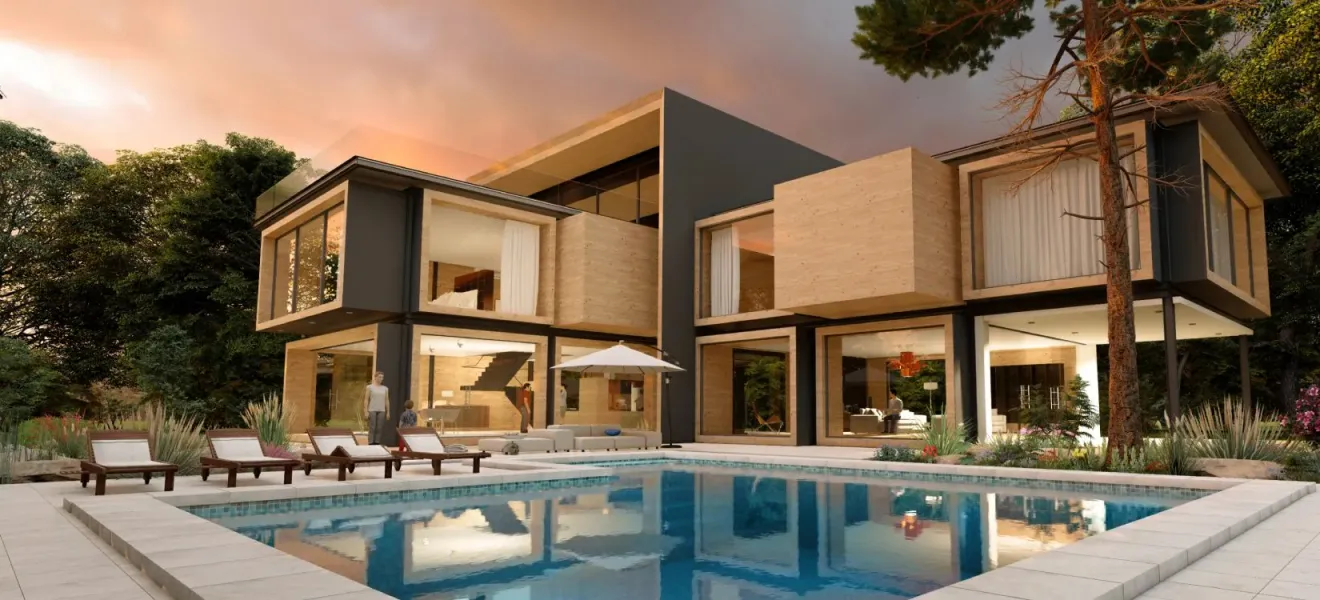
Understanding Our Connection to Nature
Biophilic design recognizes the innate human need to connect with nature and seeks to integrate natural elements into the built environment. Research consistently shows that spaces designed with biophilic principles improve occupant health, well-being, and productivity.
Natural Light as a Design Strategy
Maximizing natural light is one of the most impactful biophilic design strategies. Large windows, skylights, and light wells bring daylight deep into buildings, reducing the need for artificial lighting and improving occupant comfort.
- Studies show that access to natural light improves mood and productivity by up to 15%.
- Dynamic daylight creates changing patterns that connect occupants to the time of day.
- Properly designed natural lighting reduces energy costs for artificial illumination significantly.
- Light wells and atriums can bring daylight into the deepest parts of large buildings.
Incorporating living plants into building design — whether through green walls, interior gardens, or rooftop landscapes — provides visual connection to nature, improves air quality, and reduces stress.

Water Features and Natural Sounds
The inclusion of water features in architectural design provides both visual beauty and soothing ambient sounds. Fountains, reflecting pools, and interior water walls create focal points that encourage contemplation and reduce perceived stress levels among building occupants.
Biophilic design is not merely decoration with plants — it is a fundamental rethinking of how buildings can support human health by maintaining our essential connection to the living world around us.
The Business Case for Biophilic Design
Beyond the health benefits, biophilic design makes strong economic sense. Buildings with biophilic elements command higher rents, experience lower vacancy rates, and see reduced healthcare costs among their occupants. The return on investment for biophilic design features consistently exceeds their implementation costs.
Explore More Articles & Blog
5 Challenges in Urban Architecture and How to Overcome Them
Urban architecture faces unique challenges that require innovative solutions. From space constraints to environmental concerns, architects must navigate complex issues.
Biophilic Design: Connecting Architecture with Nature
Discover how biophilic design principles are creating healthier, more productive spaces by integrating natural elements into architectural design.
Do You Have Any Ideas About Architecture Project?
Their ability balance modern design with sustainability resulted in beautiful, functional space that reflects our values. Exploring how architecture can blur the lines between function.